Bugsmirror Blogs
Explore expert insights, comprehensive tutorials, and cutting-edge updates in Security and Technology.
How to Strengthen Application-Layer Security to Prevent UPI Frauds
UPI fraud is increasingly influenced by threats originating on the mobile device and inside the application environment. Explore how Bugsmirror MASST strengthens UPI-enabled applications through runtime protection, app integrity, shielding, secure API communication, and continuous threat visibility.
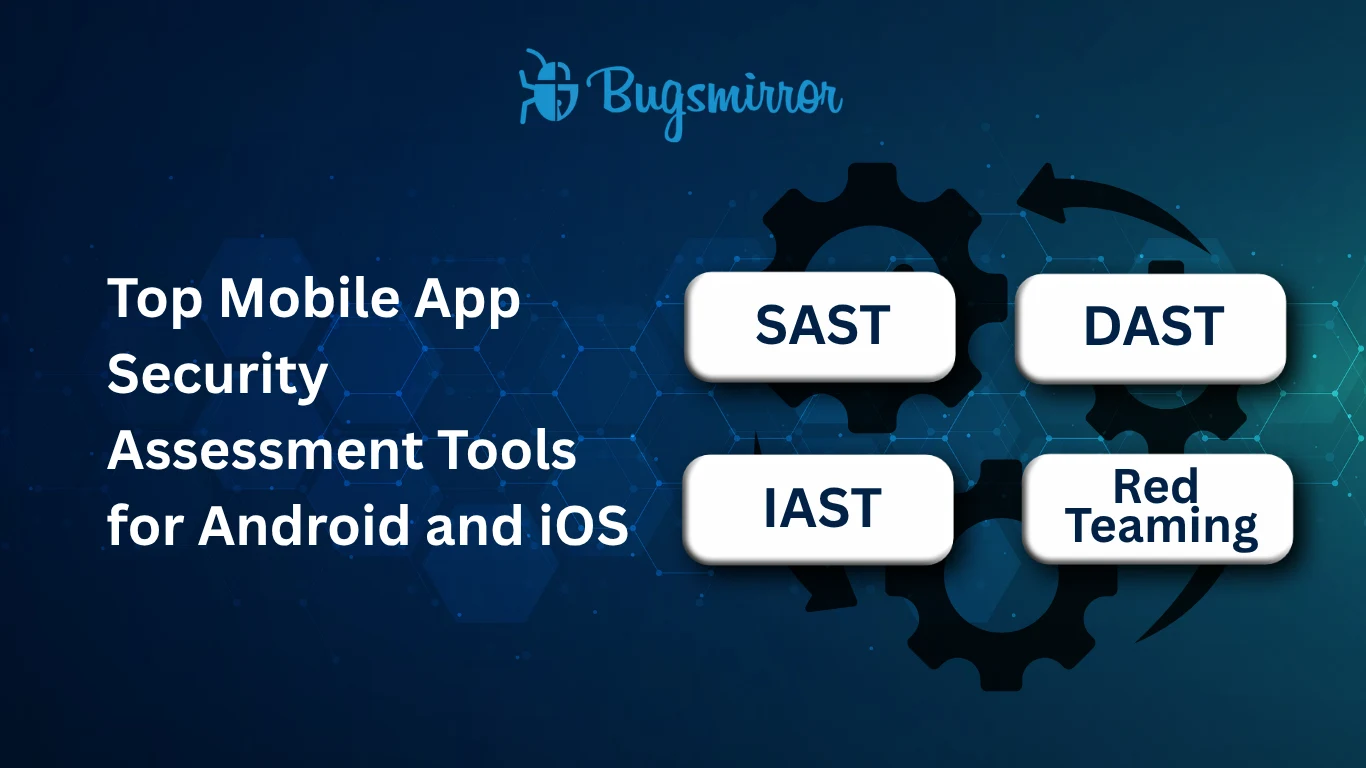
Top Mobile App Security Assessment Tools for Android and iOS
Discover the top mobile app security assessment tools for Android and iOS. Learn how SAST, DAST, IAST, RASP, and other security solutions help identify and mitigate mobile application risks.
Why Are Static Application Security Testing Tools Important for Developers?
Security flaws hidden in application code can become expensive problems after release. This blog explains how SAST tools help developers find vulnerabilities early, improve secure coding, and strengthen applications before they reach production.

GhostLock Explained: How a Linux Kernel Vulnerability Challenges Android Root Detection
GhostLock (CVE-2026-43499) demonstrates how a kernel-level vulnerability can challenge traditional Android root detection and application security assumptions. This blog explores how GhostLock changes the mobile threat landscape and why no single security control can provide complete protection. It examines the limitations of application-level checks and the importance of using multiple risk signals to identify potentially compromised environments. The blog also explains how an adaptive security approach such as Bugsmirror MASST can help prevent fraud by continuously evolving its runtime protection against emerging attack techniques.
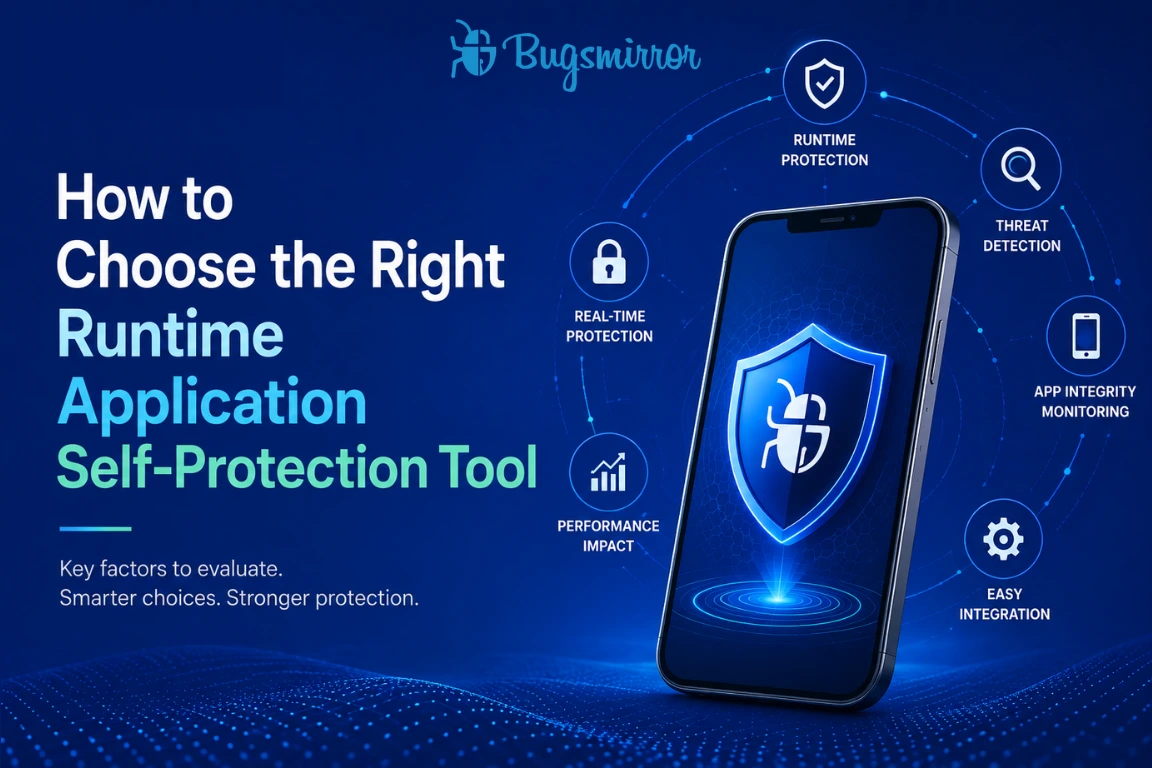
How to Choose the Right Runtime Application Self-Protection Tool
Choosing the right Runtime Application Self-Protection (RASP) tool requires evaluating how effectively it can protect applications against runtime threats without affecting performance or user experience. This blog covers the key factors organizations should consider, including real-time threat detection, runtime protection, application integrity, API security, anti-tampering capabilities, integration, scalability, and deployment requirements.
Why Are Red Teaming Services Important for Cybersecurity?
Red teaming simulates real-world cyberattacks to evaluate how effectively an organization's security controls can prevent, detect, and respond to threats. This blog explains the importance of red teaming services, how they differ from penetration testing, and how they help organizations uncover security gaps before real attackers exploit them.

Why Real-Time Threat Visibility Matters for Mobile App Security
Mobile app security does not end after testing or deployment. Attackers continuously look for ways to bypass security controls, exploit vulnerable environments, and manipulate applications. This blog explains the importance of real-time threat visibility, how continuous threat monitoring helps security teams understand attacks in production, and how organizations can use threat intelligence to detect patterns and respond before incidents lead to fraud, data exposure, or financial loss.
What Is Jailbreak Detection in Mobile App Security?
Jailbreak detection is a critical mobile app security mechanism that identifies compromised devices to prevent data breaches, reverse engineering, and runtime attacks, ensuring secure app execution.
.webp)
How to Prevent Reverse Engineering in Android and iOS Mobile Apps
App repackaging and reverse engineering allow attackers to modify apps, steal data, and clone features. This blog explains how code encryption and app shielding protect mobile applications from tampering and IP theft.