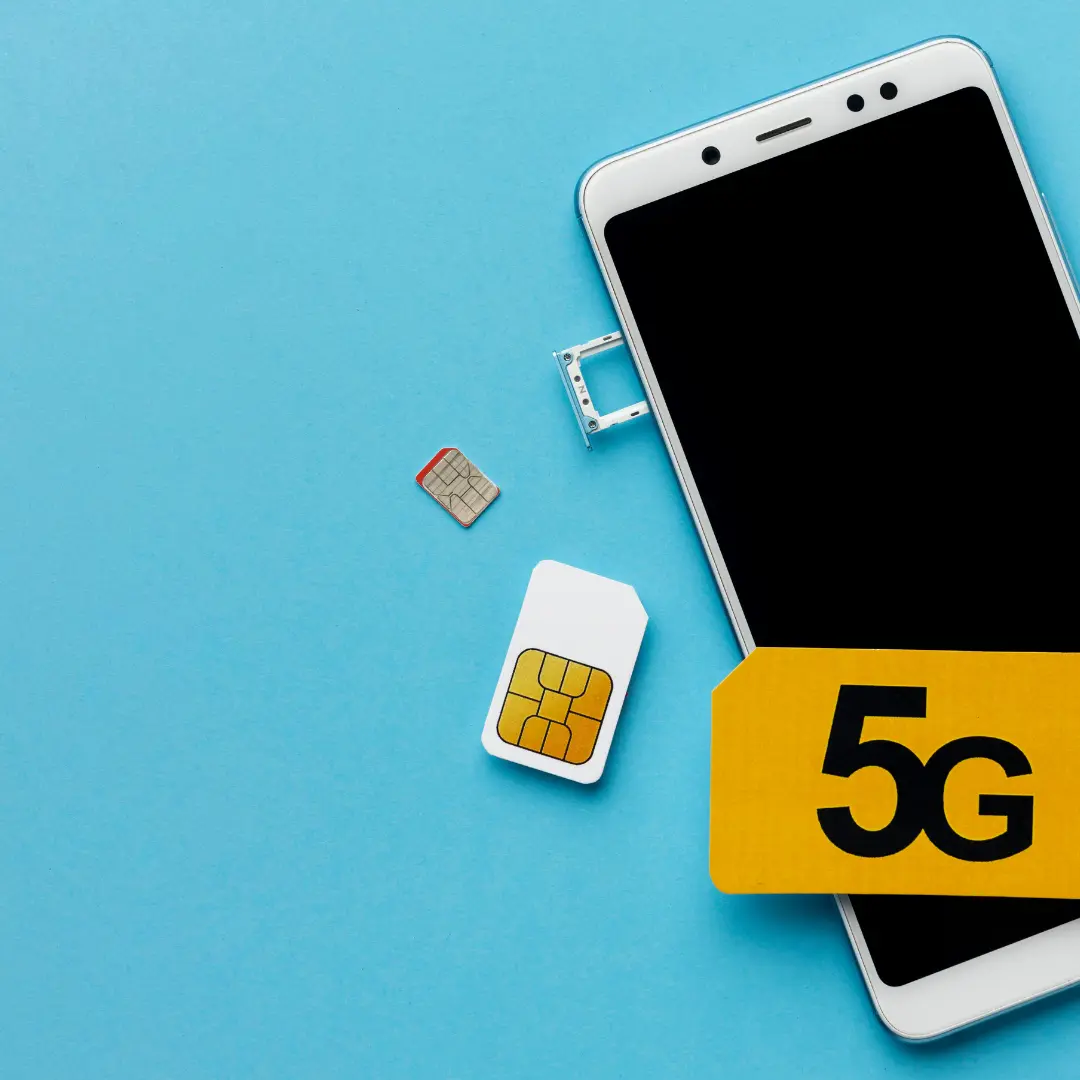
Silent Mobile Verification (SMV) In BFSI Apps: Is It Enough To Prevent Account Takeover
Silent Mobile Verification (SMV), also known as Silent Network Authentication (SNA), enables mobile-number verification through a network-based check without requiring users to manually enter an OTP. It can simplify onboarding and authentication, but does a successful verification check mean a mobile application is protected against fraud?
For businesses using SMV in payment applications, mobile banking or device-binding workflows, this is an important security question.
What Does SMV Verify, and What Does It Not?
The key distinction is between verifying a mobile number and protecting BFSI applications that use that verification result.
What SMV can help verify
SMV uses the IP address of a mobile data connection to identify the mobile subscription associated with that connection. This allows an application to verify the SIM and associate the mobile number with a device and user account during device-binding workflows.
What SMV does not independently establish
A successful verification result does not automatically prove that:
- The installed mobile application is genuine and has not been modified or repackaged.
- The application is running without runtime hooking, instrumentation or other forms of manipulation.
- A rooted or otherwise compromised device is safe to use.
- API requests and sensitive application workflows cannot be manipulated.
- A transaction is legitimate simply because the associated phone number was successfully verified.
These are separate application, runtime and transaction-security concerns. They require appropriate controls and testing beyond phone-number verification. Silent Mobile Verification (SMV/SNA) is often misunderstood as a fraud-prevention solution in BFSI Apps. Explore 6 common myths about SMV that security teams should reconsider and understand its security limitations.
Can Silent Mobile Verification (SMV) Be Bypassed?
A successful SMV response does not necessarily mean that the intended device has been securely bound to an account.
In the IP-based SMV mechanism examined in our research, the mobile network identifies the subscriber associated with the IP address from which the verification request originates. However, this does not independently prove that the device being registered is the legitimate account holder's device.
During an authorised security assessment of a live UPI application, Bugsmirror reproduced a bypass in the SMV-enabled device-binding flow. The verification request was routed through the account holder's handset and mobile data connection, allowing the mobile network to return a successful verification result. The attacker's device was subsequently bound to the account and could access its payment features.
The mobile operator's response was correct: the request had genuinely originated through the account holder's mobile connection. The security gap was that this result was treated as sufficient to establish trust in a different device.
This demonstrates why businesses should evaluate more than the successful completion of an SMV check. Security assessments should examine how verification results are used, whether the backend independently validates device-binding requests, and whether new device registrations are protected by additional security controls.
SMV should be treated as a mobile-number verification mechanism, not independent proof of device identity or comprehensive account protection.
How Should Businesses Secure an SMV-Enabled Mobile App?
Organisations should evaluate SMV alongside the other controls required by their application, threat model and applicable regulatory obligations.
Protect the application at runtime
Assess whether the application can be modified, repackaged, instrumented or manipulated while executing. Implement appropriate runtime protection based on the threats relevant to the application.
Validate sensitive requests on the backend
Critical API operations should have appropriate authentication, authorisation, session validation and transaction-level controls. A successful phone-number verification should not automatically authorise unrelated sensitive operations.
Test the complete verification journey
Evaluate how the mobile application, verification service, runtime controls and backend behave together. Test realistic attack scenarios rather than relying only on successful functional verification.
Validate the architecture through red teaming
Independent security testing can identify gaps between the intended security design and the controls that actually withstand attempted bypasses.
Do not rely on standalone SMV
Combine SMS-based verification, SIM-binding verification and Runtime Application Self-Protection (RASP) to strengthen device binding, verify user-device associations and protect BFSI apps against frauds and account takeover.
The objective is not to replace SMV. It is to ensure that the application is protected beyond the verification step.
Is Your SMV Implementation Delivering the Security You Expect?
SMV is increasingly used in mobile verification journeys. However, its role in verification and its effectiveness as a fraud-prevention control are two different questions.
In an authorised security assessment of a live UPI application, Bugsmirror Research reproduced a bypass involving an SMV-enabled device-binding flow. The affected application and vendor are not identified in this public summary.
The finding raises an important question for mobile app owners, security leaders and fintech businesses: should SMV be relied upon as a fraud-prevention solution, or evaluated as one part of a wider mobile application security strategy?
Understand the Security Implications of SMV/SNA
Our research examines the security assumptions behind silent mobile verification and what businesses should consider when evaluating it for account protection.
The whitepaper is intended for CTOs, CISOs, Heads of Information Security, AppSec teams and BFSI decision-makers who want to assess the role of SMV in their mobile security architecture.
Get the Full Document
Enter your business email and we'll send it straight to your inbox.
If you don't receive the email in your inbox, please check your Spam or Promotions folder.
Discover Bugsmirror's findings from an authorised security assessment and explore the implications for mobile payment applications and device binding.
Secure Your App Today
Empowering leading enterprises to protect their digital assets with next-generation security.
















Let's Talk Security
Fill out the form below and our security experts will reach out to you shortly.
FAQs

Learn More From Our Security Blog
Dive deeper into application security testing and how it protects your codebase.
How to Strengthen Application-Layer Security to Prevent UPI Frauds
UPI fraud is increasingly influenced by threats originating on the mobile device and inside the application environment. Explore how Bugsmirror MASST strengthens UPI-enabled applications through runtime protection, app integrity, shielding, secure API communication, and continuous threat visibility.