
Real-Time Threat Visibility Across Mobile Apps
In a fast-evolving threat landscape shaped by AI-driven attacks, understanding threats targeting your mobile applications is essential. The longer a threat remains undetected, the greater the potential impact. Real-time threat visibility helps identify suspicious activity early and enables timely action to limit damage.
Security teams also need to know which applications and devices are affected, whether threats are recurring, and how protection controls are responding. Without this insight, investigating incidents and assessing security effectiveness becomes more difficult.
What Is Real-Time Threat Visibility?
Real-time threat visibility provides insight into security events as they occur within deployed mobile applications. It helps organisations understand attempts to interfere with application execution, compromise app integrity, or bypass security controls through visibility into device integrity, OS state, application behaviour, and running processes.
For example, detecting a hooking attempt is only one part of the process. Security teams also need visibility into how the user interacted with the app, what was running within its processes, the app's integrity state, and the device's hardware-level state at the time of the event. This includes relevant device, application, and process snapshots, including memory-level information, to provide deeper context for investigating threats.
Effective threat visibility brings together behavioural checks across the device, OS, application, and user, along with runtime event reporting and contextual snapshots. This helps security teams understand not just what threat occurred, but the state and activity surrounding it, enabling more informed investigation and response.
Major Challenges With Limited Threat Visibility
Undetected Runtime Attacks
Limited Visibility Into Compromised Devices
Delayed Threat Identification
Application Tampering Without Timely Alerts
Limited Context About Security Events
Difficulty Identifying Recurring Attack Patterns
Fragmented Security Monitoring
Delayed Incident Investigation
Limited Visibility Across Applications and Devices
Insufficient Post-Deployment Security Monitoring
Why Is Real-Time Threat Visibility Becoming Critical?
263 Days to Identify and Contain a Breach in India
₹25.5 Crore Average Cost of a Data Breach
68% Have Limited or No Security Automation
61 Days Can Matter for Threat Response
Lack of Threat Visibility Can Become a Business Risk
When runtime attacks occur without adequate visibility, organisations may struggle to establish the scope of an incident, identify affected devices, recognise recurring attack patterns, or determine whether application protections are working as intended.
“Can your security team see what is happening to your mobile applications after they reach user's devices?”
Limited threat visibility can contribute to:
Delayed identification of runtime attacks
Limited understanding of compromised application environments
Difficulty investigating suspicious security events
Recurring attacks without sufficient context
Delayed incident response
Limited visibility into application and device-level threats
Difficulty assessing runtime security effectiveness
Gaps in post-deployment security monitoring
Why Must Mobile App Security Continue After Deployment?
Pre-release security testing helps identify vulnerabilities before an application reaches users. However, applications operate in environments that organisations do not fully control. Attackers can instrument applications, manipulate runtime behaviour, tamper with binaries, or attempt to bypass security controls after deployment.
Runtime protection can identify security threats as they occur, while threat analytics help security teams understand events across applications and devices. Centralised reporting and response capabilities support investigation and policy updates as new attack patterns emerge.
Multi-Layer Defense Architecture
Security Testing
Runtime Threat Detection & Response
Real-Time Security Analytics
Centralised Threat Visibility
Security teams need visibility not only into whether a threat was detected, but also into which application was affected, what type of threat occurred, and how the security controls responded.
What Bugsmirror MASST Delivers
Real-Time Runtime Threat Detection
Application Integrity Monitoring
Centralised Threat Monitoring
Automated Security Validation Across the DevSecOps
Strengthen Mobile App Threat Visibility
Empowering leading enterprises to protect their digital assets with next-generation security.



















Let's Talk Security
Fill out the form below and our security experts will reach out to you shortly.
FAQs

Explore related content
Learn about mobile app protection, threat visibility, RASP, and app shielding.

Why Real-Time Threat Visibility Matters for Mobile App Security
Mobile app security does not end after testing or deployment. Attackers continuously look for ways to bypass security controls, exploit vulnerable environments, and manipulate applications. This blog explains the importance of real-time threat visibility, how continuous threat monitoring helps security teams understand attacks in production, and how organizations can use threat intelligence to detect patterns and respond before incidents lead to fraud, data exposure, or financial loss.
How can one make self-protecting mobile apps?
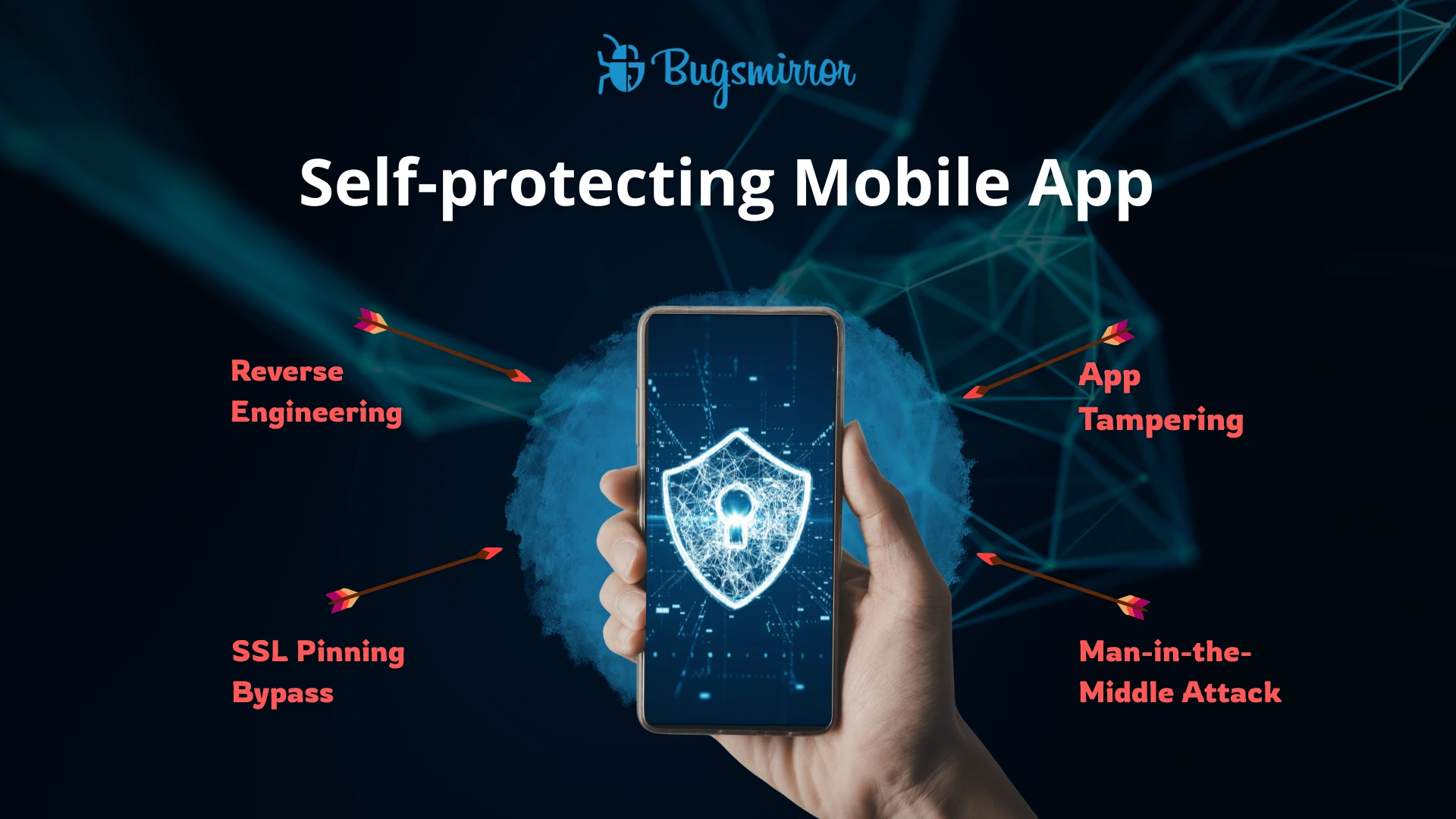
Mobile applications operate in untrusted environments where attackers attempt reverse engineering, runtime manipulation, data interception, and tampering. Building self-protecting mobile apps requires embedding runtime security controls directly within the application. This blog explains how developers can implement RASP (Runtime Application Self-Protection), app shielding, device integrity checks, secure communication controls, and anti-tampering mechanisms to strengthen mobile security.